
ADEA draws lessons from India’s reforms to inform Africa’s foundational learning priorities
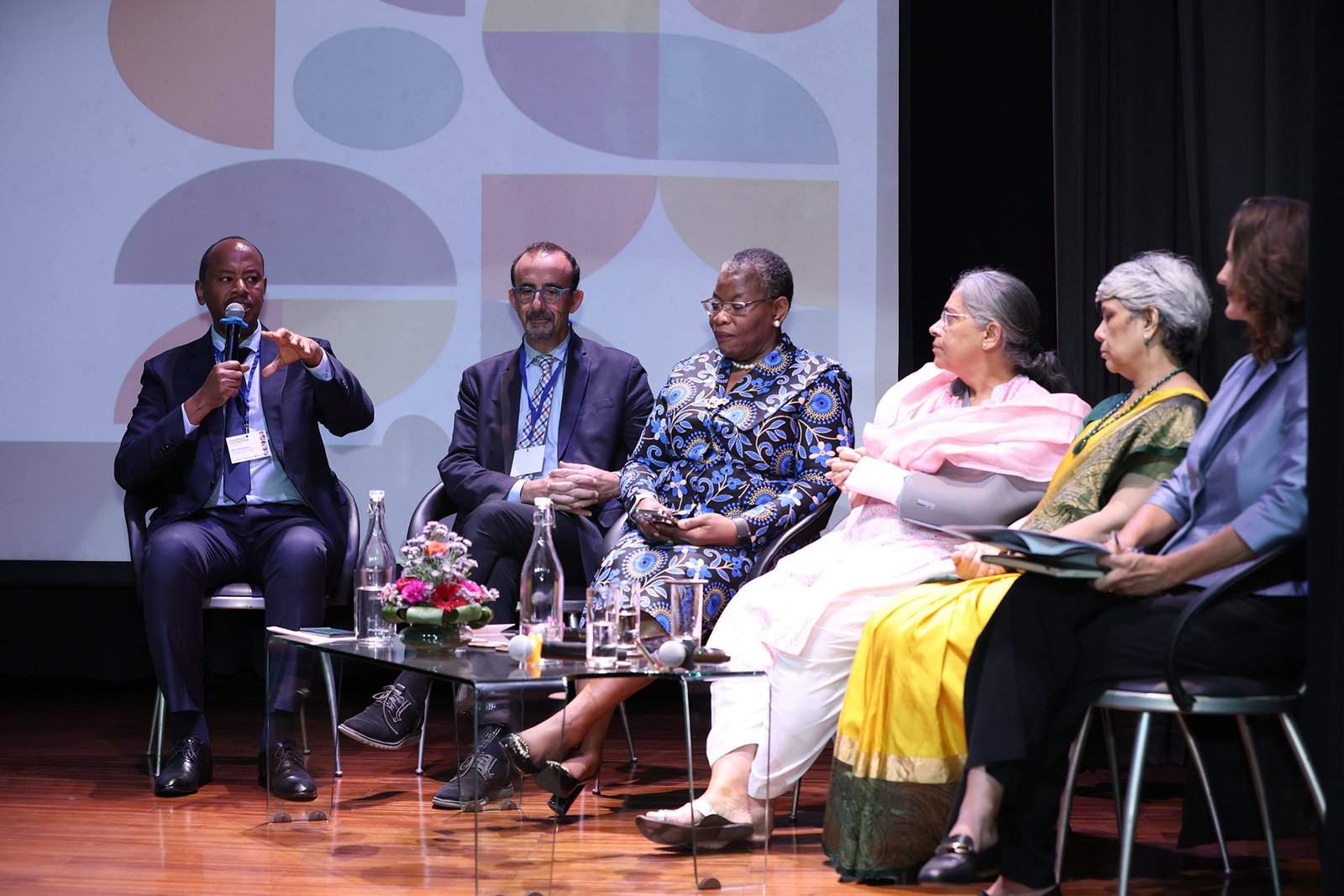
From September 1st to 3rd, the Association for the Development of Education in Africa (ADEA) joined principals from the Global Coalition for Foundational Learning and Human Capital Africa (HCA) for a high-level engagement in India. This mission explored the country’s successful approaches to foundational learning reforms that has yielded massive outcomes. The visit aimed to strengthen South–South knowledge exchange and draw practical insights from India’s large-scale education reforms to inform Africa’s priorities in foundational literacy and numeracy (FLN).
The three-day visit focused on India’s National Initiative for Proficiency in Reading with Understanding and Numeracy (NIPUN Bharat) and the broader education reforms anchored in the National Education Policy (NEP) 2020. With initiatives that reach over 248 million learners across more than 20 languages, India has demonstrated how political will, institutional frameworks, and multi-stakeholder partnerships can achieve transformative impact at scale.
A key highlight of the India engagement was the session on Foundational Learning Forum – What’s Working, co-hosted by the Global Education Evidence Advisory Panel (GEEAP), the British Council, and other partners. ADEA Executive Secretary, Mr. Albert Nsengiyumva, joined global education leaders to discuss the role of evidence in strengthening foundational learning systems. During his intervention on “Evidence Around Foundational Learning”, Albert emphasized the need to contextualize global best practices within Africa’s diverse realities, highlighting the importance of adapting lessons from India to suit local education ecosystems.
The forum also previewed the upcoming GEEAP Literacy Paper, which reinforces the need for structured literacy instruction and robust teacher support—both essential components of effective foundational learning systems.
This engagement underscored that achieving impact at scale is possible even in complex education systems, provided that incentives, institutional structures, and partnerships are effectively aligned. It also offered a timely opportunity to deepen global and regional networks that support mutual learning between Africa and the broader international community.
Looking ahead, ADEA is committed to integrating these insights into several key initiatives and events designed to place foundational learning at the center of Africa’s education agenda. These upcoming platforms will provide critical momentum in advancing a shared goal: to make foundational learning a national priority across African countries and ensure that every child on the continent is equipped with the essential tools to succeed in school and beyond.
Launched in 2022, the Global Coalition for Foundational Learning brings together global and regional partners committed to advancing foundational learning in low- and lower-middle-income countries. Its three core priorities include supporting country-led action and implementation, improving learning data and monitoring, and promoting advocacy and communication. The Coalition aims to directly support up to 30 countries while creating global public goods accessible to all.
