
Africa Policymaker Forum Examines Language of Instruction as a Driver of Foundational Learning
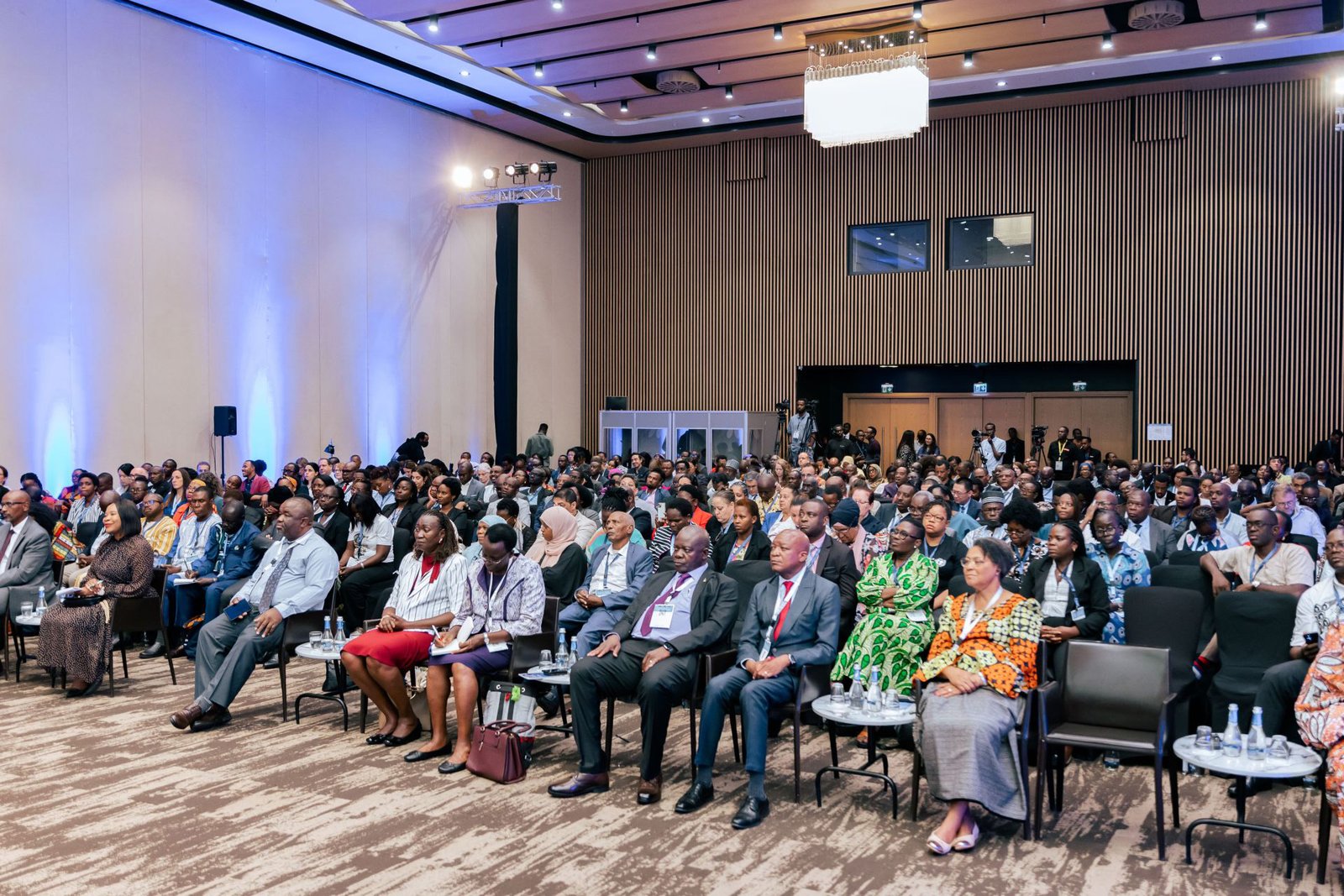
On Tuesday 31st March 2026, the Association for the Development of Education in Africa (ADEA), in partnership with the Learning Generation Initiative (LGI) of the Education Development Center (EDC), hosted the third episode of the Africa Policymaker Forum (APF) webinar series. The session brought together senior education policymakers from across the continent to examine language of instruction as a critical driver of foundational learning, drawing on country experiences from Senegal and South Africa to strengthen peer learning and reinforce evidence-based policymaking.
In his opening remarks, ADEA Executive Secretary Albert Nsengiyumva anchored the conversation on a powerful image of a child sitting in a classroom, trying to make sense of a teacher speaking in an unfamiliar language. He emphasized that language of instruction sits at the intersection of identity, politics, equity, and learning outcomes — and that while decades of research confirm children learn best in their mother tongue, many education systems continue to shift toward foreign languages under legitimate pressures including workforce readiness, national cohesion, and parental aspirations. He called on policymakers to move beyond debate and focus on translating evidence into action.
Dr. Mamadou Amadou Ly, Director General of the Associates for Research in Education and Development, presented Senegal’s standardized bilingual education model — now implemented across all 14 regions in the country — where children acquire foundational literacy and numeracy skills in languages they understand before progressively transitioning to additional languages. What began as a targeted intervention has grown into a national reform agenda. Dr. Ly noted that 35% of learners in lower-middle-income countries are still taught in languages they do not understand, with serious consequences for learning outcomes. He pointed to Burundi as an example of what is possible — where children assessed in Kirundi by the second year of schooling achieved 39.8% proficiency according to PASEC, placing Burundi among the strongest performers in national language assessments. He recommended a gradual transition model beginning with national languages, while identifying persistent challenges including limited domestic financing, shortages of teaching and learning materials, and strong social pressure in favor of international languages.
The lessons from South were even more telling. Dr. Stephen Taylor, Director for Research, Monitoring and Evaluation at the Department of Basic Education, South Africa, described the country’s phased reform to extend mother tongue-based bilingual education from the current Grades 1–3 model through Grades 4–6, beginning with mathematics and natural sciences. He presented evidence showing that strong home-language instruction in the early grades significantly improves later English proficiency and overall literacy outcomes. The reform includes bilingual learning materials, teacher coaching, online communities of practice, and bilingual assessment tools to support smoother transitions across languages of instruction.
Opening the session for contributions from policymakers, a major thread of discussion coalesced around parental aspiration: many parents associate foreign languages with better opportunities for their children, particularly in a globalized economy. Panelists agreed that shifting these perceptions requires both political commitment — including embedding national languages in constitutions and key policy instruments — and sustained advocacy, technical support, resource support.
The webinar concluded with discussion on financing and implementation challenges, including abrupt language transitions at Grade 4, multilingual classroom dynamics, and teacher-language mismatches in rural and urban areas. Participants agreed that clear policy direction, targeted teacher preparation, and sustainable financing are critical to scaling effective language-of-instruction reforms. The development of teaching materials and teacher support tools was identified as a specific area where partnerships could make a meaningful difference.
Launched in 2025, the Africa Policymaker Forum brings together senior policymakers, researchers, and education stakeholders on the continent, to promote knowledge sharing, data-driven, peer-informed solutions for foundational learning. The fourth episode is scheduled to hold in July. It will be an in-person convening on the margins of the FLEX event in Malawi.
