
ADEA, IRC and partners advance evidence and policy direction for foundational learning in crisis settings
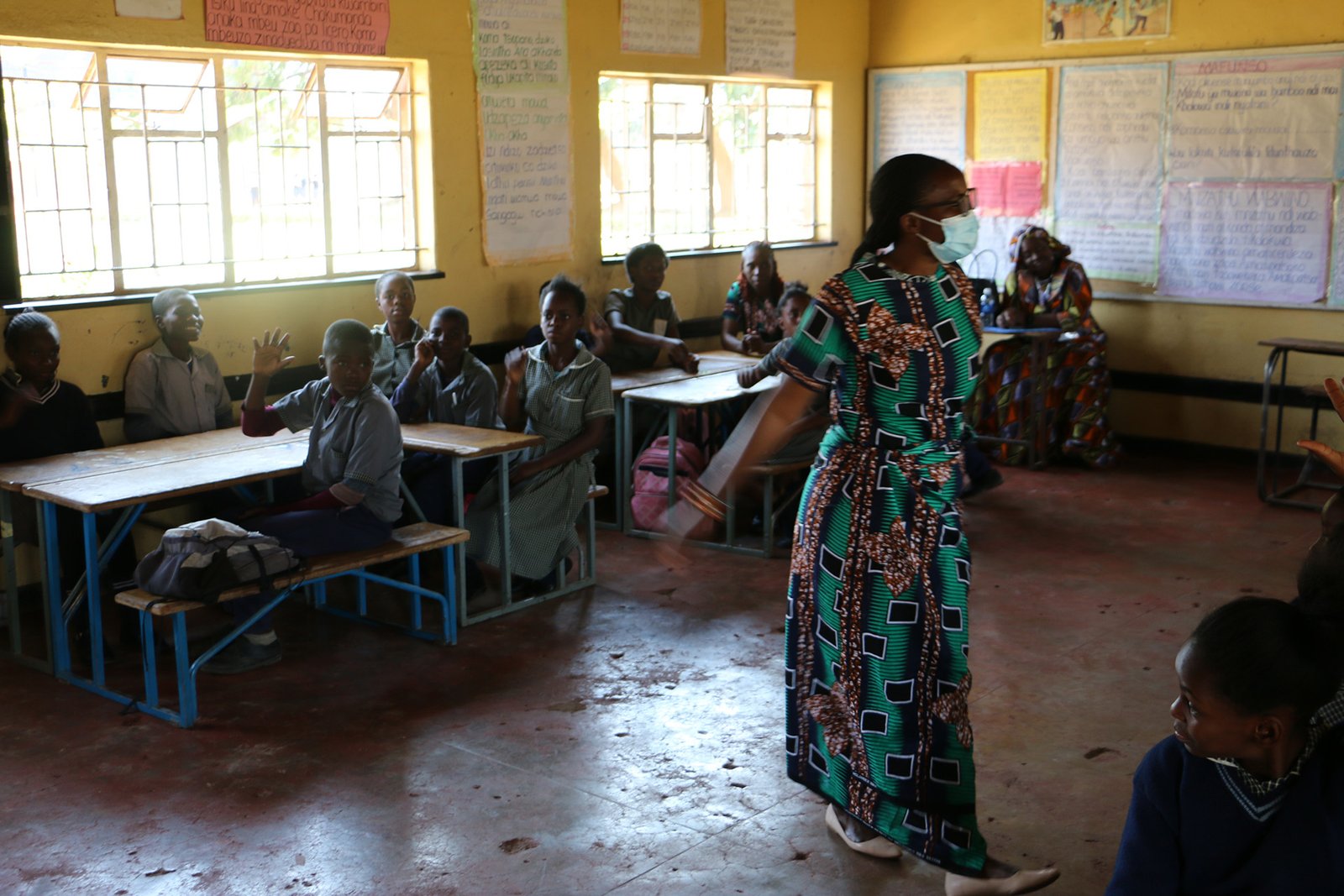
On Wednesday 4th March, the International Rescue Committee in partnership with ADEA, convened a global webinar that brought new evidence and renewed policy focus to one of the most urgent challenges in education: delivering foundational learning skills to children in crisis-affected environments. The session focused on learning continuity and building resilience so that children in conflict can maintain access to education.
The session marked a growing shift in the global conversation—from isolated interventions to system-level approaches that integrate literacy, numeracy, and social-emotional learning (SEL) as core components of education in emergencies. With an estimated 234 million children affected by violent conflict and civil crisis globally, the discussion underscored the need to move beyond short-term responses toward scalable, resilient solutions embedded within national systems.
Positioning this agenda within Africa’s broader education transformation, ADEA highlighted its role in bridging evidence, policy, and implementation across the continent. Albert Nsengiyumva, Executive Secretary of ADEA, reaffirmed that education in crisis settings must be treated as a central pillar of system resilience, not a parallel track.
“Education is not a luxury in crisis settings; it is a lifeline for children’s survival and dignity,”
he noted, emphasizing ADEA’s ongoing work to strengthen foundational learning through improved data systems, stronger teacher support, and policy reforms that enable countries to respond more effectively to disruption.
The webinar brought forward new research from the Education Research in Conflict and Protracted Crisis (ERICC) Consortium, showing that well-designed literacy and numeracy interventions in crisis settings can deliver significant learning gains—often surpassing those in more stable environments. At the same time, the findings highlighted gaps in the implementation of social-emotional learning, particularly where programs are not co-designed with local actors or supported by sustained investment.
Country perspectives reinforced the importance of integrating SEL into national education systems rather than treating it as an add-on. Insights from Lebanon’s national SEL framework and Ethiopia’s experience with school-based teacher professional development illustrated both the potential and the practical challenges of implementation, particularly in contexts facing resource and capacity constraints.
Across the discussion, a clear direction emerged. Strengthening foundational learning in crisis settings requires:
- Scalable, evidence-based interventions
- Stronger teacher support and professional development
- Locally grounded, co-designed solutions
- Integration of SEL into national curricula
- Robust monitoring systems to guide policy and scale
For ADEA, the priority now is to ensure that this evidence translates into coordinated action across countries and partners. Through its continental platforms, ADEA is working to connect research with policy dialogue and implementation support, helping countries move from pilots to system-wide impact.
This agenda will continue to advance through the Africa Foundational Learning Exchange (FLEX 2026), scheduled for 15–17 July 2026, where ministers, policymakers, and partners will deepen collaboration and accelerate progress on foundational learning, including in crisis-affected contexts.
The webinar concluded with a shared commitment to strengthen partnerships, align efforts, and scale what works—recognizing that addressing the learning crisis, particularly in fragile settings, will require sustained political leadership, better use of data, and collective action across the continent. Experts featured at the session include Dr. Sylvia Diazgranados Ferrans, Research Director at the ERICC Consortium, Dr. Lubna Nehma, from the Center for Educational Research and Development (CERD) in Lebanon, Dr. Kassa Michael, from the Addis Ababa University, and Rein Terwindt, from the Lego Foundation.
