
International Day of Education 2026
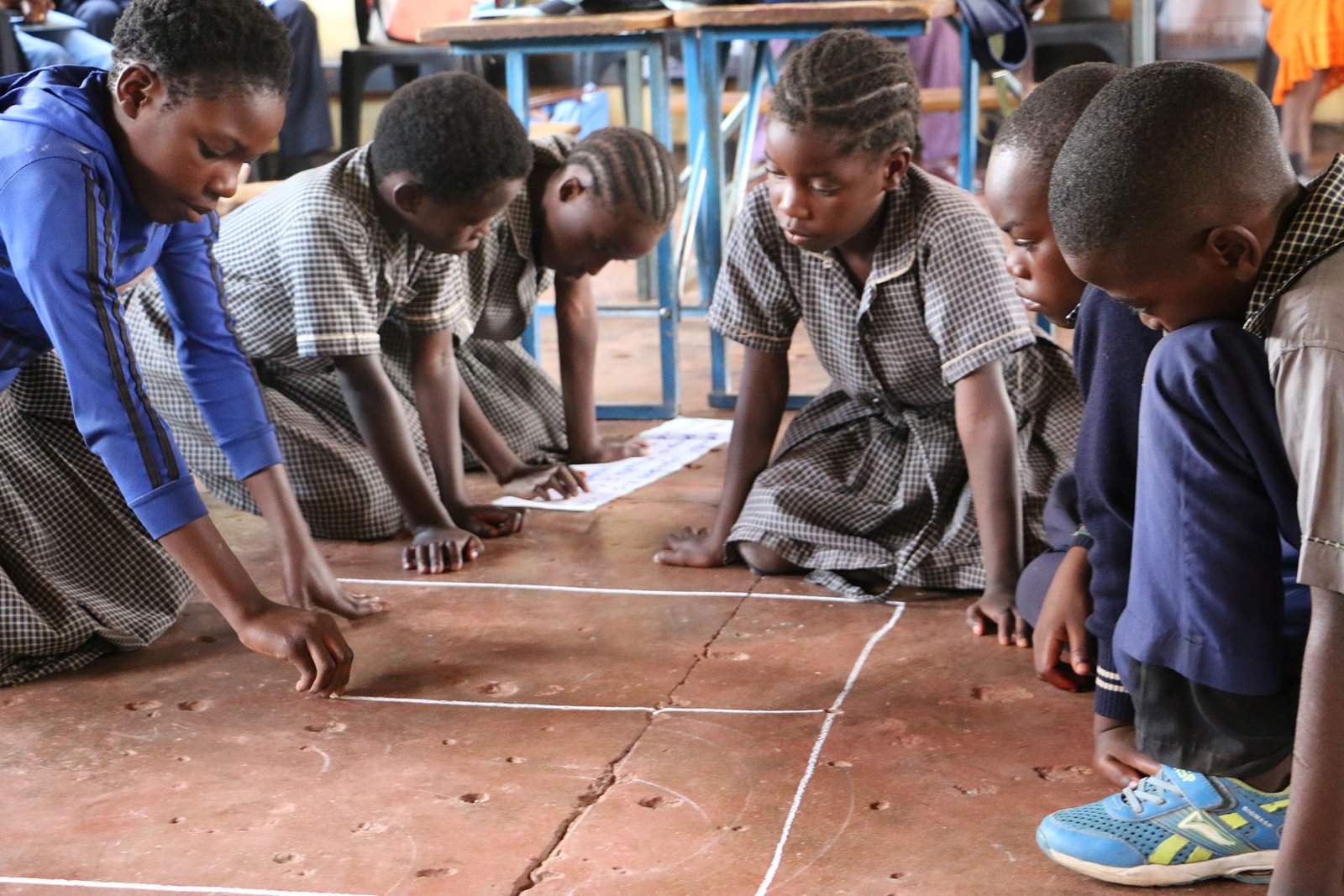
On this International Day of Education, the Association for the Development of Education in Africa (ADEA) stands in solidarity with Africa’s young people—not only as learners, but as co-creators of education systems capable of delivering dignity, opportunity, and meaningful futures.
This year’s theme, “The power of youth in co-creating education,” resonates deeply with the commitments made by African governments and partners at the 2025 ADEA Triennale. In Accra, Ministers of Education and Finance, policymakers, partners, researchers, and youth representatives collectively affirmed a simple but transformative truth: Africa cannot end learning poverty, build resilient systems, or unlock its demographic dividend unless young people are placed at the centre of education reform—not as beneficiaries, but as agents of change.
The Triennale’s Outcome Document, “Walking the Talk”, marked an important turning point. Governments committed to treating education as a strategic investment rather than a social cost; to mobilising at least 20 percent of national budgets for education; to strengthening foundational learning, secondary education, TVSD, and higher education; and to building data-driven, accountable, and resilient systems aligned with continental frameworks such as CESA 2026–2035, Agenda 2063, and the Decade of Education for Africa.
ADEA recognises these commitments as real progress. Since FLEX 2024 and through the 2025 Triennale, countries have demonstrated that reform is possible when political leadership, evidence, and partnerships align. Successful foundational learning reforms, emerging education financing innovations, growing attention to teacher professional development and school leadership, and the launch of initiatives such as Africa-Europe Partnership and Engagement on Education Reforms (PEERS), Foundational Learning Initiative on Government-led Transformation (FLIGHT), and Africa Education, Science, and Technology Innovation Fund (AESTIF) signal a shift from fragmented projects toward system-level transformation.
Yet, the Triennale also made clear that commitment alone is not enough. Africa continues to face deep implementation gaps at the “last mile,” volatile financing, uneven data use, and persistent inequities—particularly for girls, children and persons with disabilities, displaced learners, and youth transitioning from school to work. For too many young people, education still fails to translate into agency, employability, or dignified livelihoods.
It is in this context that ADEA renews its mandate: to help African countries move from policy to practice, from intention to impact.
Across our work, ADEA is deliberately aligning action with the Triennale’s outcomes. Through the Education and Skills Data Challenge, we are supporting countries to institutionalise national data systems and dashboards that allow governments to track learning, skills, teacher deployment, and financing—so that youth voices and outcomes are visible in decision-making. Through the PEERS initiative, we are strengthening the capacity of regional and national institutions to design, coordinate, and implement reforms that are inclusive, green, and digitally enabled. Through our EdTech Research in Africa project, we are separating promise from evidence to ensure that technology amplifies access and agency rather than deepening inequality. And through our foundational learning initiatives, we are reinforcing the bedrock upon which all youth agency depends: literacy, numeracy, socio-emotional skills, and leadership that listens.
On this International Day of Education, ADEA issues a clear call to action—grounded in the Triennale’s Walking the Talk commitment:
- To governments: we urge you to move beyond policy declarations to measurable delivery. Embed youth participation in reform processes, institutionalise data use across ministries, protect foundational learning budgets, and align education and skills systems with labour-market realities in line with the Africa Continental Free Trade Area (AfCFTA).
- To partners and financiers: align behind country-led priorities, pool resources under national systems, and support African-led platforms that strengthen sovereignty, accountability, and scale.
- To education leaders and institutions: create spaces where youth voice is not symbolic, but consequential—shaping curricula, pedagogy, and pathways from school to work.
- To the public: recognise that empowering young people to co-create education is not optional. It is the condition for resilience, inclusion, and shared prosperity.
The Triennale closed with a powerful reminder: it is time to walk the talk. ADEA embraces this charge. Between now and 2030—and toward the collective goal of ending learning poverty by 2035—we will continue to serve as a continental convener, knowledge broker, and accountability partner, working with countries to ensure that education systems do not merely expand, but deliver learning that enables young people to shape their futures and Africa’s development trajectory.
On this International Day of Education, ADEA stands with Africa’s youth—and calls on all partners to match ambition with action, and promises with results.
