
Rwanda completes large-scale school leaders’ data-use training under ADEA’s Education and Skills Data Challenge initiative
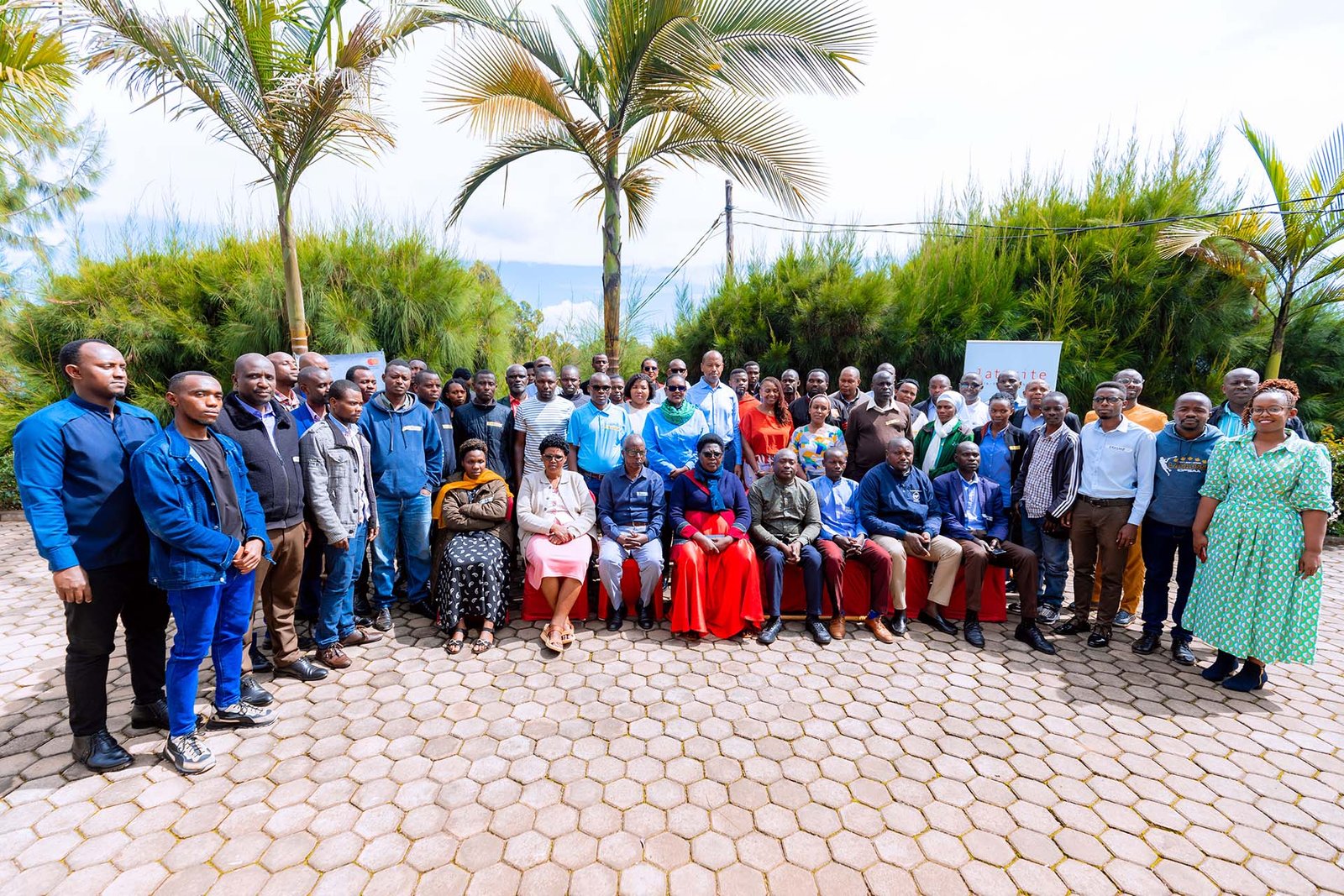
More photos at ADEA Flickr account
Kigali, Rwanda — On the weekend of 13–14 December, Rwanda’s Ministry of Education (MINEDUC) completed a six-week capacity-building programme to strengthen data use among school leaders across the country. The programme marks a major country milestone delivered under the Education and Skills Data Challenge (ESDC)—a five-year, 30-country initiative led by the Association for the Development of Education in Africa (ADEA) in partnership with the Mastercard Foundation Centre for Innovative Teaching and Learning (CITL). Rwanda is the first of the 30 participating countries to launch country-level capacity strengthening focused on improving the use of education data for decision-making.
Delivered across six training weekends, the programme trained 8,159 school leaders out of a target of 8,626, achieving a 94.6% attendance rate. Participants were drawn from both public and private schools, across basic and secondary education. A total of 8,047 school leaders attended both training days, reflecting strong engagement throughout the programme. Overall, participants recorded an average learning gain of 10.6 percentage points, measured through pre- and post-tests—demonstrating improved skills in interpreting and applying education data.
The final weekend of training (13–14 December) recorded 1,307 participants (93.6% attendance) and concluded with the highest learning gain observed across all sessions (+11.4 percentage points). Post-test results showed the strongest performance in applying data for school planning and leadership, alongside strong outcomes in interpreting data and understanding SDMS scope, roles, access, and the use of guidance materials. Improvements were observed across school types, venues, and districts.
Partner site supervision underscores importance of frontline data-use capacity
The closing weekend also featured partner site supervision, with senior officials from MINEDUC, ADEA, the Mastercard Foundation, and Laterite—the local implementing partner—witnessing the training and engaging with participants. ADEA Executive Secretary, Albert Nsengiyumva, visited Rwanda alongside Wariko Waita, Director of the Mastercard Foundation’s Centre for Innovative Teaching and Learning (CITL). Their visit underscored the importance of strengthening frontline data-use capacity to improve planning, follow-up, and accountability in schools.
In his remarks, Mr Nsengiyumva emphasized that the training will strengthen the functionality of Rwanda’s education system—especially at school level:
“Rwanda has been investing in data, especially education and skills data. But the reality is that while systems are already established, the users—the ones who are supposed to use the data—have not always been equipped with the skills they need to use it appropriately… The system is there, but they need capacity to better use the system.”
CITL highlights link to learning outcomes and opportunity for young people
In her remarks, Ms Waita noted that the programme aligns with the Mastercard Foundation’s mission to ensure that young Africans have access to dignified and fulfilling work. She highlighted that strengthening data-driven education systems can improve learning outcomes and expand access—especially for excluded populations:
“We are supporting the data programme with ADEA and Laterite because we believe it will strengthen learning outcomes and expand access to education for young people—particularly those hardest to reach…”
MINEDUC emphasizes improved planning and resource allocation
MINEDUC also emphasized that ESDC will strengthen education planning and system performance. The Director General of Communications at the Ministry, Jean Claude Hashakineza, noted that MINEDUC expects school leaders to translate the training into improved planning, management, and resource allocation, including at school level:
“Most importantly, actively use the skills they are getting to inform decisions and planning… This will help us get accurate data that supports better planning, better resource allocation, and better outcomes.”
Feedback from participants and next phase of support
Participants called for the training to be expanded across the education system, including to teachers, to deepen understanding of Rwanda’s education data management platform, SDMS. They also requested closer follow-up to support sustained application of new skills and refresher opportunities to reinforce learning over time.
This achievement was made possible through close collaboration with MINEDUC and the support of Laterite, alongside district teams and master trainers, including district Data Processing Officers (DPOs) who supported delivery. As trained school leaders apply new skills in their day-to-day work—supported by district-level teams—stakeholders expect continued improvements in the effective use of SDMS data for school planning and leadership. The initiative will also advance the development of e-learning course materials to provide accessible refresher resources for trained school leaders and support onboarding for new school leaders.
